-
Courses
Courses
Choosing a course is one of the most important decisions you'll ever make! View our courses and see what our students and lecturers have to say about the courses you are interested in at the links below.
-
University Life
University Life
Each year more than 4,000 choose University of Galway as their University of choice. Find out what life at University of Galway is all about here.
-
About University of Galway
About University of Galway
Since 1845, University of Galway has been sharing the highest quality teaching and research with Ireland and the world. Find out what makes our University so special – from our distinguished history to the latest news and campus developments.
-
Colleges & Schools
Colleges & Schools
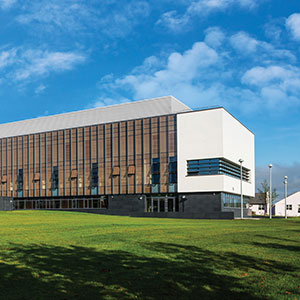
University of Galway has earned international recognition as a research-led university with a commitment to top quality teaching across a range of key areas of expertise.
-
Research & Innovation
Research & Innovation
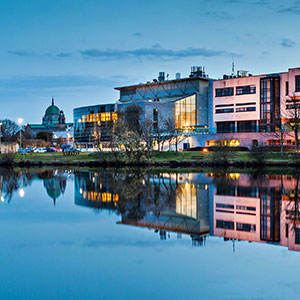
University of Galway’s vibrant research community take on some of the most pressing challenges of our times.
-
Business & Industry
Guiding Breakthrough Research at University of Galway
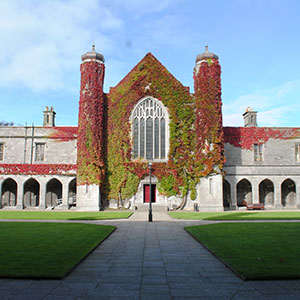
We explore and facilitate commercial opportunities for the research community at University of Galway, as well as facilitating industry partnership.
-
Alumni & Friends
Alumni & Friends
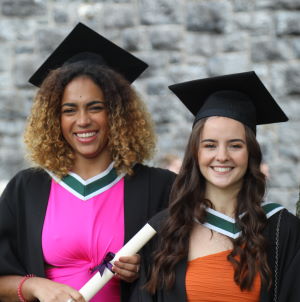
There are 128,000 University of Galway alumni worldwide. Stay connected to your alumni community! Join our social networks and update your details online.
-
Community Engagement
Community Engagement
At University of Galway, we believe that the best learning takes place when you apply what you learn in a real world context. That's why many of our courses include work placements or community projects.
 Accessibility & Language
News Archive
Wednesday, 28 January 2026
University of Galway has been named as one of the top universities in Europe, according to the QS World University Rankings: Europe 2026. For the third year in a row the Europe-wide rankings have placed University of Galway in the top bracket in Europe out of 958 institutions across 42 locations. The QS European Rankings builds on the reputation that University of Galway has achieved in recent years for progress on sustainability in the QS European ranking’s Top 50 for Sustainability; the number one university in Ireland in the Times Higher Education (THE) Impact Rankings and in the world’s top 50 for progress towards the United Nations’ Sustainable Development Goals (SDGs). President of University of Galway, Professor David Burn, said: “Being ranked in the top 100 universities in Europe for the third year in a row is a wonderful endorsement. These annual rankings allow us to benchmark ourselves against our national and international peers and to assess our individual institutional performance across a range of datasets. I am delighted to see ranking successes in our academic reputation, employment outcomes, citations per paper and outbound exchange students. “In line with our University strategy 2025-2030, Of Galway, For the World, we are determined to build on our international reputation and reach, while serving our students and community through four pillars: Innovation of Health; Creativity, Culture and Society; Sustainable and Resilient Environments, Earth and Ocean; and Transformative Data and AI. “I would like to commend the effort by our University community in aligning our values of respect, excellence, openness, sustainability and belonging to our education and research outputs and impacts. University of Galway will continue to adapt to societal demands in a multidisciplinary approach that benefits our region, the island of Ireland and internationally, while equipping our students with the skills they need.” QS Senior Vice President Ben Sowter said: “Europe’s higher education sector remains strong, underpinned by world-class research universities, strong international collaboration, and growing momentum behind transnational alliances and joint degrees. Cross-border mobility remains a defining strength. However, funding and research capacity vary widely between national systems, contributing to uneven performance and talent retention. At the same time, universities face mounting pressure to sustain research excellence, deepen industry engagement, and modernise governance and delivery models amid funding deficits and tightening policy around international mobility.” University of Galway saw increases in the QS ranking in its Academic Reputation, Employment Outcomes, Citations per Paper and Outbound Exchange Students, placing it 98th out of almost 1,000 institutions.The full rankings can be found at: www.topuniversities.com/europe-university-rankings. Ends
Tuesday, 27 January 2026
Researchers at University of Galway have secured prestigious funding support through the European Research Council (ERC) to progress projects on next-generation 3D printing and hydrogel pain relief therapy. They are among 136 projects across Europe which have been awarded ERC Proof of Concept grants to explore how scientific results can move towards practical application or early commercial use. One project will advance an innovative software platform that enables engineers to design lighter, stronger, and more efficient components optimised for 3D printing - additive manufacturing - across biomedical, automotive and aerospace applications. The new technology offers unprecedented freedom to create complex and lightweight parts as many products are still designed using approaches developed for traditional manufacturing, limiting performance and increasing material waste. The research team will address this gap by developing a new, easy-to-use design approach that brings design and production considerations together in one simple process, helping engineers move quickly from an idea to a part that is ready to print and use in the real world. The 3D printing project is led by Professor Ted Vaughan, Director of the Institute for Health Discovery and Innovation and Professor of Biomedical Engineering, alongside Dr Mahtab Vafaeefar, Postdoctoral Researcher in Biomedical Engineering at University of Galway. The second project is Uro-Lieve, a minimally invasive, biodegradable capsaicin hydrogel designed to selectively silence pain fibres as a therapy for relief from symptoms of painful bladder syndrome, known as interstitial cystitis. The new approach avoids the severe burning of current treatments. The research is led by Professor Martin O’ Halloran, Principal Investigator in the College of Medicine Nursing and Health Sciences and Executive Director of the BioInnovate Programme at University of Galway. This latest accolade for Professor O’Halloran brings his total ERC awards to eight, making him the joint highest-awarded Ireland-based ERC awardee. The projects are the only two from Ireland to have been recognised with Proof of Concepts awards in this ERC round. Professor Ted Vaughan, University of Galway, said: “The ERC Proof of Concept programme provides a vital bridge between discovery and application, enabling researchers to translate frontier science into real-world impact and we are delighted to build on our research and bring its benefits closer to industry and society. “Too often, we simply ‘print’ conventional designs rather than truly exploiting the capabilities of additive manufacturing. Our goal is to provide intuitive tools that automatically generate high-performance, production-ready designs that are truly functionally tailored to each application, reducing costs, saving material and accelerating innovation.” The software builds on biomimetic principles derived from models developed during Professor Vaughan’s European Research Council Starting Grant, taking inspiration from how nature designs complex structure and translating these insights into industry-ready design tools that will enable lightweight, efficient, and high-performance components across a range of engineering applications. Professor Martin O' Halloran, University of Galway, said: “Painful bladder syndrome (interstitial cystitis) is a chronic, underdiagnosed condition marked by persistent bladder pain, urgency, and frequency, with profound impacts on quality of life, mental health, and economic productivity. This proposal introduces Uro-Lieve, a minimally invasive, biodegradable capsaicin hydrogel designed to selectively silence pain fibres while avoiding the severe burning of current treatments. It highlights a major unmet clinical need and the broader structural neglect of women’s pain in research and healthcare.” Ekaterina Zaharieva, European Commissioner for Startups, Research and Innovation, said: “The discoveries emerging from ERC-funded research are very often more than academic breakthroughs. They form the bedrock of future innovation ecosystems across Europe, inspiring new technologies, businesses and societal solutions. I am pleased that the EU is funding a record number of Proof of Concept Grants this year, and I congratulate all the grantees on their success.” The European Research Council Proof of Concept scheme is funded under Horizon Europe, the EU’s framework programme for research and innovation. It provides grants to existing ERC grant holders to bridge the gap between pioneering research and early-stage commercial or societal application. Ends
Monday, 26 January 2026
Tá Ospidéal na mBéiríní, a bhfuil gradaim buaite aige, á eagrú arís ag mic léinn in Ollscoil na Gaillimhe don 21ú bliain as a chéile. Bhí breis is 1,200 páiste bunscoile i láthair don imeacht dhá lá seo, áit ar cuireadh ‘cóir leighis’ san ospidéal ar a mbeiríní a bhí ‘tinn’ nó ‘gortaithe’. An Cumann Sláinte a d’eagraigh an t-ospidéal, arb é cumann cothaithe sláinte Ollscoil na Gaillimhe é a fhéachann le gach gné den tsláinte, idir fhisiciúil agus mheabhrach, a chur chun cinn. Bhí isteach is amach le 200 mac léinn leighis, cúraim sláinte agus eolaíochta i láthair ar bhonn deonach agus iad ag feidhmiú mar oibrithe cúraim sláinte chun béiríní na Gaillimhe a dhiagnóisiú agus cóir leighis a chur orthu. Tá súil acu go gcuideoidh an ócáid le páistí a bheith ar a suaimhneas le dochtúirí nó i dtimpeallacht ospidéil. Bhí an méid seo a leanas le rá ag Aoibhe Treacy, mac léinn leighis sa chúigiú bliain in Ollscoil na Gaillimhe agus comh-iniúchóir an Chumainn Sláinte: “Cumann a fhéachann leis an tsláinte a chur chun cinn atá ionainn, agus an aidhm atá againn an faitíos agus an imní a bhíonn ar roinnt leanaí nuair a bhíonn orthu dul chuig an ospidéal nó ag an dochtúir a laghdú. “Tionscnamh é seo atá go hiomlán faoi stiúir oibrithe deonacha, idir bhaill an choiste agus dochtúirí na mBéiríní, agus fáilte á cur againn roimh isteach is amach le 1,200 páiste ó mhórcheantar na Gaillimhe. Táimid bródúil as imeacht atá go hiomlán cuimsitheach agus inrochtana a bheith á chur ar fáil againn.” Tá béiríní á dtabhairt chuig an ospidéal ag páistí i gcaitheamh na mblianta agus iad ag samhlú go raibh réimse leathan tinnis ag gabháil dóibh, leithéidí cluasa tinne, boilg bhreoite, lámha nó cosa briste agus gach cineál easláinte neamhghnách agus dúshlánach eile faoin spéir. Labhróidh na páistí le duine de na dochtúirí béiríní tar éis dóibh a theacht i láthair ag Ospidéal na mBéiríní ar an gcampas. Déanann na dochtúirí na ‘hothair’ a scrúdú, tugtar oideas dóibh nó cuirtear ar aghaidh iad le haghaidh obráide nó X-gha. Tá trealamh saincheaptha X-gha agus MRI ar fáil do bhéirín ar bith a dteastaíonn sé uathu. Beidh na béiríní atá ag teacht chucu féin in ann ábhair leighis a fháil i gCógaslann na mBéiríní, áit a mbeidh torthaí sláintiúla le fáil a bhuíochas le Total Produce agus Fyffes, mar aon le hábhair leighis urraithe ag Cógaslann Matt O’Flaherty. Is iad urraitheoirí an imeachta an Medical Protection Society, Boston Scientific, KSG, Vernon Medical agus Apache Pizza. Seo mar a labhair Ríona Hughes, Oifigeach na gCumann in Ollscoil na Gaillimhe: “Ceann dár n-imeachtaí for-rochtana móra is ea Ospidéal na mBéiríní arna reáchtáil ag an gCumann Sláinte trína gcothaítear caidreamh leis an bpobal níos leithne agus sonas ar an gcampas. Deis iontach atá ann do mhic léinn, go háirithe mic léinn leighis agus sna heolaíochtaí sláinte, bualadh le páistí agus iad a chur ar a suaimhneas go bhfuil an chóir leighis a theastaíonn óna mbéiríní á fáil acu le go mbeidh siad in ann teacht chucu féin ó na tinnis éagsúla atá ag cur as dóibh. Tarraingíonn imeachtaí cosúil leis an gceann seo aird ar shamhlaíocht, diongbháilteacht agus spiorad comhpháirteachais ár gcuid cumann, agus ar thiomantas na hOllscoile naisc dhaingne a chothú leis an bpobal níos leithne. Comhghairdeas leo siúd ar fad a bhfuil baint acu leis.”
Monday, 26 January 2026
For the 21st year running, University of Galway has opened its doors for its award-winning, student-led, Teddy Bear Hospital. The two-day event saw more than 1,200 “sick and injured” teddy bears admitted to the hospital, accompanied by their minders - 1,200 primary school children. Organised by the Sláinte Society, University of Galway’s health promotion society that focuses on promoting all aspects of physical and mental health, up to 200 medical, healthcare and science students volunteered as front-line healthcare workers to diagnose and treat teddy bears from across Galway. In the process, they hope to help children feel more comfortable around doctors and hospitals. Aoibhe Treacy, a fifth-year medicine student at University of Galway and co-auditor of Sláinte Society, said: “We are a health promotion society, so we hope to reduce the fear and anxiety experienced by some children when visiting the hospital or going to the doctors. “We are a fully volunteer-led initiative, both committee and Teddy Doctors, welcoming about 1,200 children from around Galway, and we pride ourselves on ensuring a fully inclusive and accessible event.” Over the years, children have been bringing their teddy bears suffering from an imaginative range of ailments, including sore ears, sick tummies, broken limbs, and all kinds of other weird, wonderful and challenging conditions. Upon arrival at the Teddy Bear Hospital on campus, each child is given an individual consultation with one of the teddy doctors on call. The ‘patients’ are examined by the doctors and receive a ‘pawscription’ and referral to surgery or x-ray, with specially designed X-ray and MRI machines available for any teddy bears that need them. Recuperating teddy bears could avail of medical supplies from the Teddy Bear Pharmacy, stocked with healthy fruit from Total Produce and Fyffes, along with medical supplies sponsored by Matt O’Flaherty Chemist. Sponsorship for the event is provided by the Medical Protection Society, Boston Scientific, KSG, Vernon Medical and Apache Pizza. Ríona Hughes, University of Galway’s Societies Officer, said: “Teddy Bear Hospital organised by Sláinte Society is one of our flagship society outreach events, which engages with the wider community and brings joy to the campus. It is a wonderful opportunity for students, particularly in medicine and health sciences, to meet children and reassure them that their teddies are getting the treatment they need to recover from their various illnesses. Events like this highlight the imagination, determination and civic spirit of our societies and the University's commitment to forging solid links with the wider community, Congratulations to all involved.” Ends
Monday, 19 January 2026
Tá Ollscoil na Gaillimhe ag tabhairt cuireadh do dhaoine atá ag smaoineamh ar thabhairt faoin gcéad chéim eile ina saol acadúil nó ina saol gairmiúil tuilleadh eolais a fháil faoi na roghanna atá acu ag an Lá Oscailte Iarchéime. Beidh an ócáid eolais speisialta seo ar siúl i Halla Bailey Allen ar an gcampas Déardaoin, an 29 Eanáir. Beidh fáilte roimh mhic léinn reatha agus roimh an bpobal ag an dá sheisiún a bheidh ar siúl ó 12-2pm agus ó 5-7pm. Beidh eolas le fáil ag an Lá Oscailte faoi bhreis agus 160 clár iarchéime lánaimseartha agus páirtaimseartha, céimeanna máistreachta múinte agus taighde agus roghanna PhD san áireamh. Beidh eolas le fáil faoi chúrsaí solúbtha ar líne agus faoi chúrsaí foghlama cumaisc ag an ócáid freisin, a d’oirfeadh do dhaoine atá ag céimeanna éagsúla dá ngairm bheatha. Beidh deis ag na cuairteoirí labhairt le comhaltaí foirne acadúla, le mic léinn iarchéime reatha agus le foirne seirbhísí gairmiúla. Beidh eolas ar fáil faoi ábhair, riachtanais iontrála, conairí gairme, roghanna maoinithe agus próiseas iarratais na gcúrsaí. Bhí an méid seo le rá ag Caroline Duggan, Ceannasaí Earcaíochta Fochéime agus Iarchéime Ollscoil na Gaillimhe: “Tá cumhacht ag baint le staidéar iarchéime, cé acu an mac léinn thú atá díreach i ndiaidh do bhunchéim a bhaint amach nó má tá tú ag filleadh ar an ollscoil chun scileanna nua a fhoghlaim nó le tabhairt faoi chonair ghairme nua.” Ar chláir na hOllscoile seo gheobhaidh tú saineolas ar an ábhar, gheobhaidh tú taithí phraiticiúil ar an réimse atá i gceist trí shocrúcháin agus intéirneachtaí, agus déanfaidh tú na scileanna a shealbhú a theastaíonn ó chéimithe chun go n-éireoidh leo san fhórsa saothair domhanda atá ag síorathrú.” Cuireann Ollscoil na Gaillimhe cláir iarchéime ar fáil i ndisciplíní éagsúla, mar shampla, na Dána agus na Daonnachtaí, Gnó, an Dlí, an Eolaíocht, an Innealtóireacht, Ríomheolaíocht, Leigheas, na hEolaíochtaí Sláinte, agus Altranas. Beidh eolas ar fáil faoi scoláireachtaí agus maoiniú ag an lá oscailte, agus ina measc tá Scoláireacht €1,500 Máistreachta Múinte na hOllscoile do mhic léinn ón AE a bhaineann bunchéim céadonóracha amach. Is féidir clárú don lá oscailte iarchéime anois ag www.universityofgalway.ie/postgraduate-open-day. Críoch
Wednesday, 21 January 2026
Award-winning 2025-26 Sean-Nós Singer-in-Residence at University of Galway Orla Ní Fhinneadha will lead a second series of sean-nós singing workshops. The workshops begin on Thursday January 29th at 6pm, and will continue on 5, 12, 19, and 26 February in the Seminar Room at the Centre for Irish Studies, Distillery Road, University of Galway. All sessions are free and open to everyone. Hailing from An Chloich Mhór, Baile na hAbhann, Co Galway, Orla Ní Fhinneadha began singing as a child, inspired by sean-nós classes with Máire Pheitir Uí Dhroighneáin, a former University of Galway singer-in-residence, and her father, Jimi Ó Fhinneadha. Orla’s teaching skills gained widespread recognition during the Covid pandemic through a series of videos for Cúla 4 ar Scoil, which continue to help children learn traditional Irish songs today. Dr Méabh Ní Fhuartháin, Head of Irish Studies at University of Galway, said: “Orla is one of the singers of our generation who is focused on the tradition. The richness of her place and her family can be heard in every note.” This project is funded by Ealaín na Gaeltachta, Údarás na Gaeltachta and An Chomhairle Ealaíon in association with the Centre for Irish Studies at the University of Galway. Further information available from Samantha Williams at 091 492051 or samantha.williams@universityofgalway.ie. Ends
Wednesday, 21 January 2026
Cuirfidh Orla Ní Fhinneadha tús leis an dara sraith de cheardlanna amhránaíochta ar an sean-nós in Ionad Léann na hÉireann, Ollscoil na Gaillimhe. Beidh na ceardlanna a reachtáil ar Dé Déardaoin, 29 Eanaír, agus 5, 12, 19, 26 Feabhra i seomra seimineáir an Ionaid ar Bhóthar na Drioglainne ag a 6pm. Tá na ceardlanna saor in aisce agus beidh fáilte roimh chách. As an gCloich Mhór, Baile na hAbhann, ceapadh Orla mar Amhránaí Cónaitheach Sean-nóis san ollscoil i 2025. Le go leor duaisanna buaite aici, tá sí ag gabháil don amhránaíocht ó thosnaigh sí ag freastal ar ranganna sean-nóis le Máire Pheitir Uí Dhroighneáin agus sí ar bhunscoil. Bhí an-tionchar ag Máire uirthi chomh maith le hathair Orla féin, Jimi Ó Fhinneadha. Tá an-éileamh ar Orla mar mhúinteoir sean-nóis. Léiríodh na scileanna seo go soiléir sna físeáin a cruthaíodh do Cúla 4 ar Scoil ina raibh sí ag múineadh amhrán le linn thréimhse Covid. Tá Orla an-bhródúil go bhfuil go leor páistí fós ag breathnú agus ag foghlaim ó na hamhráin áille a thaifead sí i rith an ama sin. Deir an Dr Méabh Ní Fhuartháin, Ceann an Ionaid: “Is duine des na h-amhránaithe ár linne atá dírithe istigh ar an dtraidisiún í Orla. Tá saibhreas a ceanntair agus a clainn le clois i ngach aon nóta.” Is iad Ealaín na Gaeltachta, Údarás na Gaeltachta, An Chomhairle Ealaíon agus Ionad Léann na hÉireannaigh, Ollscoil na Gaillimhe, a mhaoiníonn an tionscnamh seo. Tuilleadh eolais ó Samantha Williams ag 091 492051 nó samantha.williams@universityofgalway.ie. Críoch
Wednesday, 21 January 2026
Red Squirrel Appreciation Day marks the start of a nationwide citizen science effort to track squirrels and pine martens across the island of Ireland To celebrate Red Squirrel Appreciation Day, the 2026 All-Ireland Squirrel and Pine Marten Survey is officially launching today. The initiative is an invitation to members of the public to become Citizen Scientists and help track some of our most iconic woodland mammals. Led by researchers in University of Galway, Ulster Wildlife and the Vincent Wildlife Trust, the survey aims to map the latest distribution of red and grey squirrels, and the pine marten across the island of Ireland. Members of the public are invited to record their sightings of the three species throughout 2026, helping researchers build a detailed picture of how their populations are changing. The 2026 survey is being delivered with the support of the National Biodiversity Data Centre in the Republic of Ireland and CEDaR in Northern Ireland. Sightings of all three mammals can be recorded on the online survey forms hosted on their websites www.biodiversityireland.ie and www2.habitas.org.uk/records. The survey is part of a long-running monitoring programme, with previous surveys carried out on four occasions since 1997, providing vital insights into long-term trends and conservation success. The red squirrel is Ireland’s only native squirrel species, once widespread in forests and wooded areas. The introduction of the grey squirrel in 1911 has had devastating consequences on our native species through disease and competition for food, leading to the disappearance of red squirrels from large parts of the country. For many years, the future of the red squirrel looked bleak. However, recent surveys have revealed a remarkable and unexpected turnaround, with the grey squirrel being knocked back in certain areas, and the reds showing signs of recovery. In several regions, grey squirrel numbers have declined sharply, while red squirrels are showing encouraging signs of recovery. Research linked this shift to the successful comeback of another native species, the pine marten - tree dwelling carnivores and one of the few predators that can successfully hunt grey squirrels. Because the red squirrel evolved alongside pine martens, they are better adapted to avoiding them and can escape danger more easily. Dr Colin Lawton of University of Galway’s School of Natural Sciences explained the significance of the new survey: “In our most recent survey in 2019, we found that the grey squirrel had all but disappeared from 10 midland counties, and the red squirrel and pine marten were doing particularly well. “However, the dynamics between the three species is finely balanced and we need to continue to monitor the animals to make sure things don’t change again. The greys continue to spread in the south and northwest, and they are doing particularly well in urban areas, where pine martens are very rare.” Katy Bell, Senior Conservation Officer at Ulster Wildlife, said: “Ulster Wildlife has been monitoring these three species for over a decade in Northern Ireland and is delighted to partner once again with the University of Galway to complete the picture on how these species are faring across Ireland. This data will be invaluable to the conservation work for red squirrel and pine marten in Ireland.” Dr Lawton added: “During our last survey, we received an incredible 3,407 records of the three species from the public. This fantastic wealth of information plays a crucial role in protecting our native biodiversity. We are once again asking our Citizen Scientists to share their sightings, upload photographs and help us understand where these animals are living and how they are faring.” Ends
Monday, 19 January 2026
University of Galway is one of 10 partners in the €6.5 million PEACE-Air project which aims to reduce emissions from solid fuels, road transport and agriculture. PEACE-Air (Partnership for Evidence and Action on Clean Air) is an all-island initiative working to improve air quality and protect public health across the Republic of Ireland and Northern Ireland through evidence-based policy, collaboration and innovation. University of Galway will lead research on air pollution from solid fuel burning with Queen’s University Belfast, to address the common challenge of delivering clean air to improve the health of citizens and the environment. The project focuses on generating robust evidence, supporting policy development and enabling practical actions that lead to cleaner air and better health outcomes for communities. The project was launched at ATU Donegal, marking the beginning of a major cross-border initiative supported by PEACEPLUS, a programme managed by the Special EU Programmes Body (SEUPB). PEACE-Air will address three major sources of air pollution: solid fuel burning, transport emissions, and agricultural ammonia - through a structured programme of scientific research, behavioural insights, community outreach and policy support. The project brings together local authorities, universities, environmental agencies, health organisations and community groups from both jurisdictions, ensuring that its work is grounded in shared priorities and accessible evidence. Minister for Public Expenditure, Infrastructure, Public Service Reform and Digitalisation, Jack Chambers T.D., attended the launch and said: “I welcome the launch of the PEACE-Air project. Funded by the PEACEPLUS programme, PEACE-Air harnesses unique scientific and research capacity to address the shared cross-border challenge of air pollution. The work of PEACE-Air will help inform strategies to protect the natural environment and ensure clean air for people and communities across the island of Ireland. With a focus on strategic cross-border engagement, PEACE-Air exemplifies the positive public health and environmental impacts that can be achieved through effective North South collaboration.” A team from the Centre for Climate and Air Pollution Studies, Ryan Institute and School of Natural Sciences at University of Galway will lead the PEACE-Air research on Air Pollution from Solid Fuel Burning, Indoor Air Quality and Community Engagement. Professor Jurgita Ovadnevaite, Director of the Centre for Climate and Air Pollution Studies, University of Galway, said: “We are delighted to lead the solid fuels research project of this cross-border initiative that aims to tackle air pollution through strategic engagement, scientific research, and coordinated cross-border action to reduce emissions from solid fuel burning, road transport, and agriculture. “Air pollution does not respect boundaries and pollutants generated in one jurisdiction can negatively impact a neighbouring jurisdiction. However, the issues around air pollution are addressed by each jurisdiction separately and currently there is no cross-border clean air forum for local government, environment agencies, health agencies, policy makers and research scientists. Through the PEACE-Air project, development of joint strategies and aligned policies to reduce air pollution would bring greater efficacy in results.” Particulate matter (PM) is the key air pollutant that affects human health and mortality. Research conducted over the last decade has shown that the burning of solid fuels (coal, peat and wood) for home heating is the major source of PM in towns and cities across Ireland, especially during winter months. The seasonal dependence of PM pollution in Northern Ireland also indicates that residential solid fuel burning is a significant problem. In both jurisdictions, the pollution hot spots are in deprived areas which largely use coal or peat for heating, where fuel poverty is a significant issue. Road transport, and diesel vehicles in particular, are also a major source of PM in urban areas. Transport-related air pollution also includes nitrogen dioxide which is strongly linked with respiratory problems such as asthma. The other major common source of air pollution in Northern Ireland and Ireland is ammonia emissions from agricultural activity which contributes to secondary PM but also negatively impacts on biodiversity and ecosystem health. Gina McIntyre, Chief Executive of SEUPB, said: “Air pollution is a shared challenge that knows no borders. PEACE-Air will be the first cross-border collaboration of its kind to tackle this challenge. “This funding demonstrates PEACEPLUS in action, bringing experts together to work on delivering positive change which will benefit the lives of so many people across our programme area by protecting and enhancing our natural environment.” Dr Caitriona Strain, General Manager of ERNACT, said: “ERNACT is proud to lead the PEACE-Air partnership and to support a project that places robust evidence, collaboration, and practical action at the centre of efforts to improve air quality across the island. Air pollution is a shared challenge that does not recognise borders, and PEACE-Air provides a unique opportunity to bring together research excellence, public authorities, and communities to inform policy and deliver real, long-term benefits for public health, the environment, and regional cooperation. This project will leave a lasting legacy through the development of a cross-border Strategy and Action Plan for Clean Air, grounded in science and shaped by those most affected.” The PEACE-Air partnership consists of 10 core partners, including ERNACT (lead partner), Donegal County Council, Armagh City, Banbridge & Craigavon Borough Council, Queen’s University Belfast, University College Cork, TU Dublin, University of Galway, Ulster University, Trinity College Dublin, and the Institute of Public Health. Seven associate partners, including the EPA, NIEA, Asthma & Lung UK, the Irish Heart Foundation, and the Environmental Health Association of Ireland, will support delivery and contribute their specialist expertise. Further information can be found on www.peace-air.eu. Ends
Monday, 19 January 2026
University of Galway is inviting prospective students to explore their next academic or professional step at its upcoming Postgraduate Open Day. The special showcase takes place on Thursday January 29th, with two sessions from 12–2pm and 5–7pm, which are open to current students and the public, on campus in the Bailey Allen Hall. The Open Day will provide information on more than 160 full-time and part-time postgraduate programmes, including taught and research master’s degrees and PhD options. The event will also include information on flexible online and blended learning courses, supporting learners at different stages of their careers. Visitors will have the opportunity to speak directly with academic staff, current postgraduate students and professional services teams. Information will be available on course content, entry requirements, career pathways, funding options and the application process. Caroline Duggan, Head of Undergraduate and Postgraduate Recruitment at University of Galway, said: “Postgraduate study can be a powerful step, whether you are progressing directly from undergraduate education or returning to university to upskill or change direction. Our programmes are designed to provide specialised knowledge, practical experience through placements and internships, and the skills graduates need to succeed in a rapidly evolving global workforce.” University of Galway offers postgraduate programmes across a range of disciplines, including Arts and Humanities, Business, Law, Science, Engineering, Computer Science, Medicine, Health Sciences, and Nursing. Information on scholarships and funding will be available on the day, including the University’s €1,500 Taught Master’s Scholarship for EU students who achieve a first-class honours degree at undergraduate level. Registration for the postgraduate open day is now open at www.universityofgalway.ie/postgraduate-open-day Ends
Tuesday, 13 January 2026
University of Galway has officially launched its 2025/26 Gaelic Games season at a special event celebrating its elite student-athletes and the future of the sport. The event brought together players, sponsors, Gaelic Games committee members, and University staff to mark the start of Higher Education Championships and to showcase the University’s vision and ambitions for clubs and students involved in Gaelic Games. The launch highlighted the University’s four codes - Senior Men’s Football, Senior Ladies Football, Hurling and Camogie - with a strong emphasis on working towards the development of the One Club Model, an innovative approach designed to strengthen unity, shared standards, and a collective identity across all clubs. University of Galway’s Sport and Physical Activity Unit is working on a plan towards the One Club Model that will be sustainable and beneficial to all students interested in Gaelic Games. The event also highlighted the University’s dual aspirational ethos, creating opportunities for participants at every level, from beginners to high-performance athletes. Des Ryan, Director of Sport and Physical Wellbeing at University of Galway, said: "The launch of our 2025/26 Gaelic Games championship season is an opportunity to bring everyone together and clearly communicate our vision for sport at University of Galway. “We want to be the most progressive and caring university sports programme on the Island of Ireland. Our Gaelic Games clubs are a great example of this, and we look forward to going on a journey to a One Club Model that is built on firm foundations. “The launch is also a great opportunity to thank our sponsors and celebrate an exciting period for student athletes. We want our players to feel fully supported as students and athletes, while enjoying their sport and striving for the highest standards across all four codes." The event featured star players such as Eva Noone, Galway Ladies Footballer, Reitseal Kelly, Galway Senior Camogie player, Canice Mulligan, Sligo Senior Footballer, Matthew Thompson, Galway Senior Footballer, and Sam O’Farrell, Tipperary Senior Hurler. Alongside these established names, the squads included a number of exciting young rising stars, including Shay McGlinchy and Aaron Niland, whose impressive performances at underage inter-county and club level highlight the depth of talent at University of Galway and its pivotal role in developing players across Men’s Football, Ladies Football, Hurling and Camogie. The launch also acknowledged the continued commitment of the University’s Gaelic Games sponsors, club committees and volunteers, whose efforts remain central to the success, growth and sustainability of Gaelic Games across all four codes. Ends
Monday, 12 January 2026
D’fhógair Ollscoil na Gaillimhe go n-ainmneofar a Leabharlann nua i gcuimhne ar an Dr Karen Guinee, céimí sa leigheas. Fuair an Dr Karen Guinee bás sa bhliain 2006, go gairid i ndiaidh di a cuid staidéir san Ollscoil a chríochnú. Cuimhnítear uirthi mar alumna cumasach agus tuisceanach a thug faoina cuid oideachais agus oiliúna mar dhochtúir le díograis agus dúthracht. Déantar an fógra faoi ainmniú Leabharlann an Dr Karen Guinee i ndiaidh dúinn bronntanas daonchairdiúil suntasach a fháil ó Fhondúireacht Charthanachta Michael Guinee, atá ag tacú freisin le bunú scoláireachta nua do mhic léinn leighis i gcuimhne ar an Dr Guinee. Gabhann Ollscoil na Gaillimhe buíochas ó chroí leis an bhFondúireacht agus déanaimid comhbhrón le muintir Guinee, agus beidh oidhreacht an Dr Karen Guinee beo i gcónaí de bharr an bhronntanais seo. Dúirt muintir Guinee: “Is cúis mhór bhróid dúinn, muintir Guinee, an fógra faoi ainmniú Leabharlann an Dr Karen Guinee in Ollscoil na Gaillimhe. Sciobadh Karen uainn go tragóideach beagnach 20 bliain ó shin, seachtain sular bhain sí céim amach mar dhochtúir. D’fhág a bás folús inár saol agus bhain tráma dothuigthe dúinn go léir mar theaghlach. Bhí Karen thar a bheith gealgháireach, cineálta, grámhar agus comhbhách. Airímid uainn í gach lá agus tuigeann gach duine a raibh aithne acu uirthi an folús atá fágtha ina diaidh aici. Beidh Leabharlann an Dr Karen Guinee mar chomhartha leanúnach ómóis do Karen. Dúinn féin mar theaghlach, tabharfaidh sé brí níos doimhne dúinn de bheith dá huireasa. Sna sé bliana a chaith Karen ag déanamh staidéir ar an leigheas in Ollscoil na Gaillimhe, is iomaí uair an chloig a chaith sí sa Leabharlann le cairde, ag roinnt eolais agus á saibhriú féin le smaointe agus pleananna don ghairm bheatha a bhí amach roimpi. Mar theaghlach, tá súil againn go gcoinneoidh gach mac léinn Karen ina gcuid cuimhní, san áis álainn den chéad scoth, áis a thabharfadh ardú croí do Karen gan dabht. Fuair Karen bás go hóg, ach maireann a hoidhreacht fós. Gabhaimid ár mbuíochas ó chroí le Michael Guinee, uncail agus athair baistí Karen, le Fondúireacht Charthanachta Michael Guinee, agus le gach duine in Ollscoil na Gaillimhe a raibh baint acu leis an ainmniú seo. Go mbeidh sólás againn agus fios againn nach ndéanfar dearmad ar dhuine thar a bheith speisialta choíche." Dúirt Uachtarán Ollscoil na Gaillimhe, an tOllamh David Burn: “Thar ceann phobal Ollscoil na Gaillimhe agus gach duine a bheidh mar chuid den phobal sin amach anseo, ba mhaith liom aitheantas a thabhairt do theaghlach Guinee, agus d’Fhondúireacht Charthanachta Michael Guinee. Ní mar gheall ar an tragóid a tharla a bhfuil meas á léiriú againn ar an Dr Karen Guinee, ach mar gheall ar an saol a chaith sí. Agus Leabharlann Ollscoil na Gaillimhe á hainmniú ina diaidh, aithnímid a mianta, a comhbhá agus a tiomantas domhain chun cabhrú le daoine eile. Agus é sin á dhéanamh againn, cuirimid i láthar an domhain mhóir go bhfuilimid ag iarraidh Ollscoil shábháilte, mheasúil agus chuimsitheach a bhaint amach agus tugaimid le fios an cineál pobail agus sochaí atá uainn. Tá i bhfad níos mó ná foirgneamh i gceist le Leabharlann an Dr Karen Guinee; is oidhreacht í. Áit staidéir agus fionnachtana a bheidh inti, chomh maith le háit ina léireofar teacht aniar agus dóchas.” Dúirt an Dr Michael Guinee, Cathaoirleach Fhondúireacht Charthanachta Michael Guinee: “Mar an chéad duine ina teaghlach a chuaigh chuig an ollscoil, ba thuar dóchais í Karen agus an gealladh a bhí fúithi tabhairt faoi ghairm mar dhochtúir. Ba chailliúint mhór domsa mar a hathair baistí a bás agus dá teaghlach, dá cairde agus don phobal a raibh sí i ndiaidh freastal a dhéanamh air cheana féin le cúram agus le dúthracht. Trí Leabharlann nua Ollscoil na Gaillimhe a ainmniú ina diaidh, tá súil agam go mbeimid in ann ómós a thabhairt di, agus glúnta mac léinn amach anseo a spreagadh chun gairm bheatha ardchaighdeáin a bhaint amach ina léireoidh siad dúthracht.” Bhí an méid seo a leanas le rá ag Monica Crump, Leabharlannaí Ollscoil na Gaillimhe: “Beidh Leabharlann an Dr Karen Guinee mar spás foghlama agus taighde, inspioráide agus nuálaíochta, comhoibrithe agus machnaimh chiúin – ómós oiriúnach do bhean óg a raibh a saol, cé go raibh sí gearr, lán le cuspóir, croíúlacht agus gealladh. Is mór an onóir dúinn a bheith bainteach leis an gcuimhne sin.” Tá Leabharlann an Dr Karen Guinee in Ollscoil na Gaillimhe á tógáil faoi láthair i lár champas chathair na Gaillimhe agus beidh sí ina mol lárnach don fhoghlaim, taighde, comhoibriú, agus pobal. Tá radharc ón bhforbairt shuntasach ar Abhainn na Gaillimhe agus is féidir í a fheiceáil ó Bhóthar an Chaisleáin Nua agus ó Dhroichead na gCúig Céad. Gné shuntasach is ea go mbeidh urlár na talún oscailte don phobal i gcoitinne. Tá an foirgneamh nua thart ar 10,000m2 ar mhéid agus beidh idir 4 agus 6 urlár ann, le 2,244 spás staidéir (méadú suas le 400 ar na spásanna atá ar an gcampas faoi láthair). Tá sé deartha chun foghlaim agus taighde an 21ú haois a chumasú trí spásanna a chur ar fáil d'obair aonair agus d’obair chomhoibritheach agus tacóidh ionad scoláireachta digití agus cúinne cruthaitheachta níos fearr le nuálaíocht, cruthaitheacht agus táirgeadh eolais. Cuirfear “book-bot” i bhfearas, is é sin córas ard-dlúis stórála agus aisghabhála do bhailiúchán leabhar fisiciúil na Leabharlainne. Tacóidh foireann saineolaithe le haistear foghlama na mac léinn ag an deasc chabhrach, an Mol Rathúlachta Foghlama agus an limistéar Teicneolaíochta Cúnta. A bhuí le zón fáilte, ina mbeidh limistéar imeachtaí agus taispeántais, beidh Leabharlann an Dr Karen Guinee ina háit don phobal agus don rannpháirtíocht. Tá tacaíocht an Rialtais ag an tionscadal chun Leabharlann an Dr Karen Guinee in Ollscoil na Gaillimhe a thógáil freisin le deontas caipitil €15 mhilliún ón Roinn Breisoideachais agus Ardoideachais, Taighde, Nuálaíochta agus Eolaíochta faoin gCiste Bonneagair Straitéisigh um Ardoideachas (HESIF) agus an tÚdarás um Ard-Oideachas. Meastar go mbeidh an tógáil tugtha chun críche sa bhliain 2027. Tá tacaíocht dhaonchairdiúil bhreise curtha ar fáil go fial do thógáil Leabharlann an Dr Karen Guinee ag grúpa ceannródaíoch alumni agus ag deontóirí aonair eile, agus ag lucht tacaíochta corparáide lena n-áirítear CBE agus Anthony Ryan Ltd. Críoch
Monday, 12 January 2026
University of Galway has announced its new Library is to be named in memory of Dr Karen Guinee, a medicine graduate. Dr Karen Guinee died in 2006, shortly after completing her studies at the University. She is remembered as a gifted and compassionate alumna who completed her education and training as a doctor with distinction. The announcement of the Dr Karen Guinee Library follows a significant philanthropic gift from the Michael Guinee Charitable Foundation, which is also supporting the establishment of a new scholarship for medical students in memory of Dr Guinee. University of Galway extends heartfelt gratitude to the Foundation and ongoing sympathies to the Guinee family, as Dr Karen Guinee’s legacy lives on with us. The Guinee family said: “We, the Guinee family, are so proud and honoured at the announcement of the naming of the Dr Karen Guinee Library at University of Galway. “Karen was tragically taken from us almost 20 years ago, a week away from her graduation as a doctor. Her death has left a void and placed an unspeakable trauma on us all as a family. “Karen was so terrifically bright, kind, loving and caring. We miss her everyday and her loss in this world is felt by everyone who knew her. “The Dr Karen Guinee Library will serve as a living tribute to Karen. For us as a family, it will give a deeper meaning to her absence. “During Karen’s six years studying medicine in University of Galway, the Library would have become a second home – one where she would have spent countless hours with friends, sharing knowledge and enriching herself with ideas and plans for her future career. “As a family, we hope that every student will carry Karen’s memory forward, in a beautiful state-of-the-art facility that Karen undoubtedly would have loved. “Karen’s life was cut short, but her legacy lives on. “We extend our heartfelt gratitude to Michael Guinee, Karen’s uncle and godfather, the Michael Guinee Charitable Foundation, and all those involved at University of Galway. “May there be comfort in knowing that someone so special will never be forgotten.” President of University of Galway, Professor David Burn, said: “On behalf of the University of Galway community and all those who will come to be part of that community in the future, I would like to pay tribute to the Guinee family, and the Michael Guinee Charitable Foundation. “We are honouring Dr Karen Guinee not because of the tragedy that occurred, but because of the life she lived. By naming the University of Galway Library after her, we acknowledge her aspirations, her compassion and her deep commitment to helping others. In doing so, we send a message about the safe, respectful and inclusive University we strive for and the type of community and society we work to uphold. “The Dr Karen Guinee Library is more than a building; it is a legacy. It will be a place of study and discovery, but also a place of resilience, and hope.” Dr Michael Guinee, Chairman of the Michael Guinee Charitable Foundation, said: “As the first person in her family to go to university, Karen carried with her the dreams and hopes of her family and the promise of her career as a doctor. Her passing was a profound loss to me as her godfather and to her family, friends, and the community she had already begun to serve with such care and dedication. By naming the new University of Galway Library in her name, it is my hope that we can honour her memory, and inspire future generations of students to a career of excellence, dedication and service.” Monica Crump, University of Galway Librarian, said: “The Dr Karen Guinee Library will stand as a place of learning and research, inspiration and innovation, collaboration and quiet reflection - a fitting tribute to a young woman whose life, though brief, was filled with purpose, warmth, and promise. It is an honour for us to be associated with that memory.” The Dr Karen Guinee Library at University of Galway is currently under construction in the centre of the Galway city campus and will be a central hub for learning, research, collaboration, and community. The landmark development overlooks the Corrib and is visible from the Newcastle Road area and the Quincentenary Bridge. A stand-out feature is that the ground floor will be open to the general public. The new building spans approximately 10,000m2 and will range in height from 4-6 storeys, with 2,244 study spaces (an increase of up to 400 on the spaces currently on campus). It is designed to enable 21st century learning and research by providing spaces for individual and collaborative work while a digital scholarship centre and an enhanced makerspace will support innovation, creativity and knowledge production. A “book-bot” will be installed, offering a high-density storage and retrieval system for the Library’s physical book collection. Expert staff will support students’ learning journey through a Helpdesk, Learning Success Hub and Assistive Technology area. A welcome zone, incorporating an event and exhibition area, will make the Dr Karen Guinee Library a place of community and engagement. The building of the Dr Karen Guinee Library at University of Galway is also supported by Government with a €15 million capital grant through the Department of Further and Higher Education, Research, Innovation and Science under the Higher Education Strategic Infrastructure Fund (HESIF) and the Higher Education Authority. Additional philanthropic support for the building of the Dr Karen Guinee Library has been generously provided by a group of lead alumni and other individual donors, and by corporate supporters including CBE and Anthony Ryan Ltd. Construction is expected to be completed in 2027. Ends
Thursday, 8 January 2026
Tiny plankton organism helps reveal hidden record of key marine currents and changes to Atlantic Meridional Overturning Circulation An international research team led by the University of Galway has developed a crucial new way to enable scientific reconstruction of ocean acidity and CO2 levels in cold polar oceans, giving new insights into climate change. The scientists studied how tiny polar foraminifera plankton record ocean acidity (pH) in their shells. When these organisms die and sink to the ocean floor, their shells form part of the ocean’s natural climate archive, which can be studied when collecting sediment cores from the seabed. In both hemispheres, Polar seas are areas of strong deep-water formation which play a major role in the storage of CO2 and the Atlantic Meridional Overturning Circulation (AMOC) - the conveyor belt of marine currents that keep Northern Europe, in particular Ireland and Britain, relatively mild in winter. The new findings now allow scientists to go back in time to test whether the rate at which CO2 is removed from the atmosphere is reduced when the AMOC slows down. The research has been published in the scientific journal Biogeosciences and is available here https://cp.copernicus.org/articles/19/2493/2023/cp-19-2493-2023.pdf. These and other findings and policy issues will be discussed at the third Annual Irish Atlantic Meridional Overturning Circulation (AMOC) Meeting taking place from today at University of Galway. Dr Audrey Morley, senior researcher on the project, said: “Our analysis of the tiny polar foraminifera has opened a door to answer questions about climate change which was previously unavailable. We can use our new method to look at the acidity of the polar surface ocean and how it changed over time. That also gives us a deeper understanding of how the Atlantic Meridional Overturning Circulation controls our climate.” Scientists warn that Atlantic Meridional Overturning Circulation (AMOC) is at risk of being disrupted due to rapid global warming. The ultimate threat is that a weakening or collapse of the AMOC triggers extreme weather events and disruptive changes in seasonality across Europe. Dr Morley said: “Today, 25-30% of the anthropogenic (human-caused) CO2 emitted into the atmosphere is absorbed by the ocean, effectively mitigating the impact of anthropogenic greenhouse gas emissions on climate change. Whether or not, or how, the rate at which CO2 is removed from the atmosphere changes in response to global warming, or a weakening or collapse of the AMOC, is a critical question that remains to be determined. “There is a risk if the AMOC slows down and deep-water formation slows down then the cold-water areas of the Polar Oceans won’t remove as much CO2 from the atmosphere and store it away in the deep ocean as they do now. “The analysis of past warm climates can help us shed light on these important feedback processes. Closing this knowledge gap is crucial if we want to fully understand and quantify the risks of future global warming.” The third Annual Irish Atlantic Meridional Overturning Circulation (AMOC) Meeting is hosted by the Ryan Institute at University of Galway and is proudly co-organised with Maynooth University and Met Éireann. It brings together leading researchers, state agencies and policymakers to discuss latest research findings and future priorities for AMOC research in Ireland. Ends
Wednesday, 7 January 2026
University of Galway has announced two partnerships with leading Chinese medical universities. The collaborations with Hebei Medical University and Xiangya School of Medicine, Central South University focus on stem cell research and PhD study opportunities. The announcements were made as part of a trade mission to China led by An Taoiseach Micheál Martin T.D., with the support of Enterprise Ireland. President of University of Galway, Professor David Burn, said: “University of Galway has developed strong links in China thanks to the excellence of our academic research. We are now seizing the opportunity to build on this and fulfil the promise set out in our Strategy 2025-2030 Of Galway, For the World, and we look forward to the impact that these partnerships can create for society and for healthcare.” Professor Tim O’Brien, Director of the Regenerative Medicine Institute (REMEDI) at University of Galway, said: “By combining the strengths in regenerative medicine and clinical research at University of Galway with China’s scale, expertise and commitment to innovation, we are hopeful that these partnerships will deliver real benefit for patients and society. The relationships that we have built with these universities in China is international collaboration at its best: forward-looking, people-centred, and focused on shared global impact.” The transnational education event in Beijing was attended by more than 150 people from 13 higher education institutions in Ireland and China. University of Galway has renewed a partnership for a Joint Stem Cell Research Centre with Hebei Medical University. The collaboration will enable joint PhD and Masters supervision and collaborative research, including 12 postgraduate opportunities for students Hebei Medical University to enrol in the M.Sc. in Regenerative Medicine & M.Sc. in Cellular Manufacturing and Therapy in University of Galway. The partnership will also seek to drive collaborations between hospitals, universities, and industry in China and Ireland, bringing innovative regenerative stem cell therapies to patients worldwide. A PhD scholarship Programme is also being renewed with the Chinese Scholarship Council (CSC) which funds up to 10 students from Xiangya School of Medicine to pursue PhD studies in Galway. The collaboration aims to strengthen joint clinical and scientific research between the EU and China, promote academic exchange and deepen institutional links. Ends
Tuesday, 6 January 2026
Prospective mature students and adult learners considering a return to education are invited to a special information event at University of Galway. The information evening will take place on campus on Thursday January 15th from 6pm-9pm in the Institute for Lifecourse and Society, Upper Newcastle Road. Hosted by the University’s Access Centre, the event will outline the CAO application process, entry pathways, funding options and practical supports available to adults who are thinking about returning to study. Students who have successfully returned to education and transformed their careers and confidence will also give first-hand accounts of their experience. The event is open to anyone aged 23 or over who is applying through the CAO as a mature student, as well as adults considering upskilling, retraining or returning to education and those interested in Access courses or flexible learning opportunities, such as Microcreds. Staff will be on hand to discuss degree programmes, career opportunities and unique learning experiences at the University. The Career Development Centre will also provide expert advice on career pathways and progression after completing a qualification. The information evening will highlight the wide range of flexible learning options available for adult learners. Representatives from the Centre for Adult Learning and Professional Development will showcase short courses, languages, online learning and professional development programmes tailored to fit around work, family and life commitments. The event will also serve as a gateway to the University’s Access Foundation Diploma Courses, which support learners at a pre-university level to build confidence, academic skills and a strong platform for success in a full degree. Kathleen Hartigan, Mature Students Officer, Access Centre, University of Galway, said: “There is truly a place for everyone at University of Galway. Whether you choose a full-time degree, take your first step through an Access course, or pursue flexible lifelong learning, our community is here to support you to reach your full potential.” Nuala McGuinn, Director of the Centre for Adult Learning and Professional Development, University of Galway, said: “Technological change is reshaping how we work, learn and develop new skills across every sector. But lifelong learning isn’t only about careers - it’s also about curiosity and the joy of learning something new. Whether someone is pursuing a short micro-credential, a flexible part-time undergraduate or postgraduate course, our staff are ready to help people find learning opportunities that fit their lives.” For further information or to register to attend, visit www.universityofgalway.ie/mature Ends
Monday, 5 January 2026
Alumni of the renowned BioInnovate programme at University of Galway are to share insights on translating unmet clinical need into patient centred solutions. The online event is being held on January 13th, 2026, as the search begins for the next intake for BioInnovate's 10-month medical device and digital health innovation programme. One area of focus for the 2026 webinar is the growing recognition that women’s health innovation must be grounded in real, unmet clinical need and informed by diverse perspectives, particularly the lived experiences of women themselves. The webinar seeks to actively support and encourage greater involvement of women as innovators and leaders in health innovation, an approach long embedded within BioInnovate. BioInnovate alumni companies are already demonstrating how needs-led innovation can transform health outcomes, including women’s health outcomes. Among them is AVeta Medical which is poised to redefine the standard of care for millions of women living with Genitourinary Syndrome of Menopause (GSM). The BioInnovate webinar and the opening of recruitment for the programme follows the announcement late last year by Minister for Health Jennifer Carroll MacNeill T.D. of €2million in dedicated funding in women’s health research in Ireland in 2026 and 2027. Paula Newell, Founder of AVeta Medical and a BioInnovate alumna taking part in the webinar, said: “Women’s health has historically been under-researched and under-prioritised, despite the scale of impact on quality of life. Needs-led innovation changes that dynamic by starting with women’s voices and translating them into clinically meaningful, patient-centred solutions. Programmes like BioInnovate have played a critical role in enabling that journey." Professor Martin O’Halloran, Co-Director of BioInnovate, said: “Needs-led approaches ensure that health solutions are clinically relevant, commercially viable and, most importantly, grounded in real patient need. Having diverse participants within the training programme really supports this approach.” The webinar will highlight how the importance of clinical insight in shaping effective unmet solutions is reflected in the career paths of clinicians who move into innovation and industry. Dr Brendan Boland, Co-Founder of Loci Orthopaedics and Head of Consulting, MedTech at EY, former clinician and BioInnovate fellow, said: “When innovation is grounded in real clinical insight and supported by the right commercial and policy frameworks, it has the potential to deliver meaningful impact at scale. Women’s health represents one of the most significant areas of unmet clinical need in medtech. The BioInnovate programme is critical in bridging that gap between clinical reality and sustainable innovation.” Along with Ms Newell and Dr Boland, the BioInnovate event will hear from other speakers, including Katie Nolan, Clinical Acceleration Manager, ARC Hub for HealthTech based at University of Galway; Yanka Reis, 2025 BioInnovate graduate and engineer with J&J; and current programme participant Conor Connolly, a biotechnology graduate and accomplished commercial leader with extensive experience in the medical technology and sustainability sectors. The BioInnovate alumni will share insights on translating unmet clinical needs into scalable, patient-centered solutions. The webinar is open to medical professionals, scientists, engineers technology and AI experts, and business professionals interested in participating in the 10-month programme. The programme is fully funded, and participants receive a tax-free scholarship of €38,000 over the ten-month period. In addition, academic fees of up to €5,750 are covered by the programme. Register at https://tinyurl.com/bioinnovatewebinar2026 BioInnovate is supported under the Innovators’ Initiative Programme, Co-funded by the Government of Ireland and the European Union through the Northern and Western Regional Programme 2021-2027. Ends
Wednesday, 25 February 2026
University of Galway has welcomed the award of Government funding to progress the development of a new School of Medicine Building and support the expansion of healthcare education. The investment was announced by Minister for Further and Higher Education, Research, Innovation and Science, James Lawless T.D., as part of a €75million capital programme which is being made available through the Healthcare Education Activation Programme (HEAP) under Project Ireland 2040. The Government funding supports the building of the new School of Medicine Building at University of Galway, as well as a new Masters in Pharmacy programme, which is in its first year, and a new Graduate Entry Medicine (Rural and Connected Health) degree which is due to commence in September 2027. The University’s new School of Medicine Building is to be built on the south campus, a short distance from the Quadrangle, where it will join the Block E building, a protected structure of historical and architectural significance. The new building development complements the expansion of healthcare courses at University of Galway - the five-year MPharm, which commenced in September 2025 and will offer 75 student places at full roll-out, and the new Graduate Entry Medicine (Rural and Connected Health) programme which is due to begin in September 2027 to address critical medical workforce deficits, with 48 places available for students at full roll-out. Professor David Burn, President of University of Galway, said: “Government funding for University of Galway to expand of healthcare education and state-of-the-art teaching and learning facilities is a strong acknowledgement of the role which our institution plays both regionally and nationally. I would like to thank Minister Lawless, the Department and the Higher Education Authority for the support. This investment in University of Galway ensures we are primed to play a critical role in the development of the next generation of healthcare specialists and leaders.” Dr Martina Ni Chúlain, Director of Strategic Development at the College of Medicine, Nursing and Health Sciences at University of Galway, said: “With investment of this nature and our planned developments in healthcare teaching and learning at University of Galway, we are turning our strategy into action. This new medical school building strengthens our established position as a national and international leader in medical education and research, further advancing the student experience, the excellence of our academics and researchers and delivering meaningful benefits for our region, for patients and for the wider health sector.” Professor Robert Scully, Programme Director of the new Graduate Entry Medicine, said: “This new facility represents a transformative investment in the future of medicine and health sciences at the University of Galway. Designed as a vibrant, co-located hub for interdisciplinary learning and discovery, it enables us to deliver medical and healthcare education through cutting-edge, technology-enabled teaching practices and redefines how we prepare the next generation of healthcare professionals.” Professor Laurence Egan, Head of the School of Medicine at University of Galway, said: “The new School of Medicine Building will not only transform how we teach and learn, but also strengthen the way we collaborate across disciplines and engage with our healthcare partners. It will foster a model of medical education that champions innovation, teamwork, and a deep connection to the evolving healthcare needs of our region and beyond.” The University secured planning approval for the development of the new School of Medicine Building last September. The building design runs over four storeys, covering approximately 3,925sq metres, and is integrated, via a glazed atrium link, with the existing Block E building, a protected structure of historical and architectural significance. It will offer state-of-the-art facilities for teaching and research, including tutorial, seminar and meeting rooms, study spaces and collaboration areas, advanced research laboratories and administration offices. As part of the University’s broader sustainability goals, the design includes plant systems and solar PV panels to enhance energy efficiency and reduce environmental impact. Ends
Tuesday, 24 February 2026
Public events held on themes of remembrance, culture and debate University of Galway has marked the fourth anniversary of Russia’s full-scale invasion of Ukraine with a series of public events on campus bringing together remembrance, film, literature, art and political reflection. The special anniversary programme was organised as part of the University’s involvement in the Global Coalition of Ukrainian Studies, an international initiative coordinated by the office of the President of Ukraine. The events took place on Monday February 23rd and Tuesday February 24th, opening with a special screening of the Sundance Film Festival award winning documentary 2000 Meters to Andriivka. The programme also saw the unveiling of the Ukraine Shelf, a dedicated collection of Ukrainian literature and scholarship in the University of Galway Library. Deputy President and Registrar, Professor Becky Whay, said: “Our anniversary programme reflects University of Galway’s commitment to global citizenship and responsibilities as a public university, examining the human, cultural and environmental costs of the war, and the role of memory, language and creativity in resisting erasure.” Associate Professor Tom Felle, who leads University of Galway’s involvement in the Coalition, said: “University of Galway is one of only two Irish universities in the Global Coalition of Ukrainian Studies, a network of globally recognised institutions advancing teaching, research and public engagement on Ukraine. Our events mark four years on since the full-scale invasion by Russia and demonstrate our commitment to deepening ties with Ukraine at an academic and community level.” Full details of the anniversary programme: Monday February 23rd at 5.30pm: A special screening of 2000 Meters to Andriivka THB-G011 (Hardiman Research Building) followed by a discussion. Tuesday February 24th at 11.30am: Service of Hope With Ukraine in the Chapel of St Columbanus, led jointly by Fr Ben Hughes in English and Fr Dmytro Hutnyk in Ukrainian. Following that, at midday, Words That Remain will feature readings from contemporary Ukrainian poets and writers writing during the war. Tuesday February 24th at 12:45pm: Launch of the University’s Ukraine Shelf, a dedicated collection of Ukrainian literature and scholarship in the University of Galway Library. Following that, in THB-G011 (Hardiman Research Building), a panel discussion Resilient Ukraine: Land, Voices and Art will examine how Ukrainians continue to assert identity, culture and survival under conditions of invasion and displacement. It includes contributions from Dr Brendan Flynn, School of Political Science and Sociology and the Ryan Institute, speaking on land, nature and memory in Ukraine’s war for survival, drawing connections with Ireland’s own history of land, dispossession and resistance; journalist and writer Natalya Korniyenko, co-founder of the Ukrainian Cultural Centre in Ireland, reflecting on the ethical role of writing in wartime, based on her work with Ukrainian writers, poets and journalists currently working on the frontline; and Tetiana Vysotska, PhD student at the University of Galway, art therapist, poet, artist and filmmaker, speaking about art as voice and advocacy, drawing on her work with displaced children and adults and the role of creative practice in mental health, recognition and care. Tuesday February 24th, 4pm: Public screening of the first feature film about the Russian invasion of Ukraine People. The screening is intended for an English-speaking audience. The film is a powerful, honest and deeply human story about five women’s survival after war was visited on them in their homes, cities and destinies. The film is a tribute to the unseen victims. Ends
Tuesday, 24 February 2026
ARC Hub for HealthTech established to fast-track commercial impact of patient-focused solutions Research Ireland’s ARC Hub programme positions Northern and Western Region as global leader in new healthcare technology The new ARC Hub for HealthTech, a multimillion-euro Government investment to drive regional development by accelerating the commercialisation of cutting-edge, patient-focused research, has been officially launched today at University of Galway. Focused on developing solutions to improve chronic disease management, the aim of the ARC Hub for HealthTech is to fast-track high-potential technologies in areas such as smart implants, advanced wearable medical devices, novel sensors and AI and machine learning-driven modelling. Hosted by the University of Galway, in partnership with Atlantic Technological University (ATU) and RCSI University of Medicine and Health Sciences, the initiative forms part of Research Ireland’s flagship Accelerating Research to Commercialisation (ARC) programme. Twenty-three projects are currently in the ARC Hub for HealthTech after being selected for their strong potential to improve patient outcomes. The launch of the ARC Hub for HealthTech - under the theme of ‘Regional Roots. Global Presence’ - included a call for new projects to be assessed for funding and support on the journey to commercialisation and a showcase of some of the current projects which are being fast-tracked to commercialisation, including advanced sensory detection devices to prevent falls in elderly people and intelligent devices to help control blood pressure. Minister for Further and Higher Education, Research, Innovation and Science, James Lawless, T.D., said: “The ARC Hub for HealthTech has the potential to deliver game-changing acceleration of research commercialisation that will directly benefit individuals and communities in the West and North-West and further afield. As it continues to ramp up its operations and establish partnerships, the ARC Hub’s ambitions are clear and far-reaching. I look forward to seeing the Hub progress in its endeavours, outputs and impact over the coming years.” Dr Diarmuid O’Brien, Chief Executive of Taighde Éireann-Research Ireland, said: “The ARC Hub programme is one of the most proactive, imaginative and potentially disruptive programmes ever delivered by Research Ireland. Bringing together our leading researchers, entrepreneurs, investors and industry to create an environment where our best research ideas can be translated from the lab to the market represents an inclusive and scalable model for creating companies of the future.” Peter Power, Head of the European Commission Representation in Ireland, said: “The ARC Hub for HealthTech is an operation of strategic importance under the European Regional Development Fund programme for the Northern and Western region. It aligns with the objective of EU Cohesion policy to support thriving innovation ecosystems for all regions. Thanks to the ARC Hub for HealthTech, research will be translated into marketable products, thereby boosting the competitiveness of both the Northern and Western region and European competitiveness.” President of University of Galway, Professor David Burn, said: “Today we are announcing more than a research and innovation entity – the ARC Hub for HealthTech is a remarkable opportunity to create a global powerhouse for healthcare in the Northern and Western regions of Ireland. With our partners and regional collaboration, we are seizing the moment to push the commercial impact of research with new supports, at a faster pace, with the overarching aim of bringing new healthcare, treatments and therapies to patients.” President of Atlantic Technological University, Dr Orla Flynn, said: "ATU is delighted to be involved in the ARC Hub for HealthTech, working with our partners to advance health‑tech research and innovation. Through this collaboration, we are supporting the development of new technologies, strengthening research and creating clearer pathways for bringing scientific discovery into real‑world healthcare solutions. I wish the team every success in these endeavours, and to thank the funders for their support.” Professor Cathal Kelly, Vice Chancellor of RCSI, said: “Improving patient outcomes must always be at the heart of health technology innovation. At RCSI, we are proud to be part of this ambitious collaboration, enabling researchers and innovators to work at pace, ensuring new technologies are clinically relevant, patient-focused, commercially translatable and capable of improving outcomes both nationally and internationally.” Conall McGettigan, Northern and Western Regional Assembly, said: “The project constitutes an innovative initiative designed to accelerate regional development by expediting early-stage, advanced research to commercialisation. In alignment with Ireland’s smart specialisation strategy and by fostering entrepreneurial ideas within the research and innovation ecosystem, the Hub will facilitate the transformation of innovative concepts into tangible economic and societal benefits for the Northern and Western Region.” Professor Garry Duffy, Professor of Health Technology Innovation at University of Galway, Professor of Anatomy at RCSI and Director of the ARC Hub for HealthTech, said: “The ARC Hub bridges the gap between exceptional medical research and real-world impact. With regional roots and a global presence, we're empowering researchers to become entrepreneurs and ensuring that HealthTech innovations developed in Ireland reach patients and markets worldwide.” The ARC Hub for HealthTech was established in 2025 with a landmark funding investment of €34.3 million by the Government of Ireland and the European Union through the ERDF Northern & Western Regional Programme 2021-2027. It aims to position the Northern and Western Region as a national and international leader in the commercialisation of health technologies. The initiative is designed to support the development of entrepreneurial scientists and engineers with the skills to realise opportunities to create start-up companies from research. It will equip researchers with early clinical validation pathways, entrepreneurial skills and commercialisation supports, to transform novel ideas into patient-focused healthcare solutions with global market potential. To mark the official launch, applications have been opened for new projects to be assessed for funding and support on the journey to commercialisation. The ARC Hub for HealthTech has the support of a high-calibre Advisory Committee whose diverse expertise will strengthen every aspect of its work. The Committee includes private investors, entrepreneurial training specialists from the US and Europe, industry leaders from various start-ups and multinational corporations, and government and public sector representatives. The ARC Hub for HealthTech is one of a family of three ARC Hubs announced in 2025 as part of a multi-annual investment programme. The ARC Hub for Therapeutics (led by Trinity College Dublin) and ARC Hub for ICT (led by TU Dublin) are co-funded by the Government of Ireland and the European Union through the Southern, Eastern and Midland Regional Programme 2021-2027. The primary objective of the ARC Hub programme is to drive regional development by accelerating the commercialisation of novel, cutting-edge research, while also supporting the development of scientists and engineers with entrepreneurial skills to realise their commercial ambitions. Ends
Tuesday, 24 February 2026
New international study co-authored by University of Galway researchers shows that how animals live and move determines how quickly they see the world Animals do not just see the world differently from one another, they experience time itself at dramatically different speeds, researchers have revealed. The major new study shows that the speed at which an animal lives and moves strongly predicts how quickly it can visually process the world around it. The team of scientists - a collaboration between the University of Galway and Trinity College Dublin - analysed visual perception across 237 species in the animal kingdom, from insects and birds to mammals and marine life. The findings, published in the international journal Nature Ecology & Evolution, provide the strongest evidence to date that ecology and evolution shape how animals perceive time. The researchers found that that species with fast-paced ecologies - such as flying animals and “pursuit predators”, which chase fast, manoeuvrable prey - have much faster visual perception than slow-moving or sedentary species. Dr Kevin Healy, co-author and Head of the Macroecology lab at the University of Galway’s School of Natural Sciences, said: “These results support a long-standing idea known as Autrum’s hypothesis, which in simple terms states that sensory systems evolve to match an animal’s way of life. What’s new is that we demonstrate this pattern across the entire animal kingdom, not just within small groups of species.” Lead author Dr Clinton Haarlem, from Trinity’s School of Natural Sciences, said: “From a dragonfly tracking prey in mid-air to a starfish grazing slowly across the seabed, animals live in very different perceptual worlds. Our results show that these differences are not random. Instead, they are closely linked to how animals move, hunt, and interact with their environments.” Measuring the speed of sight To measure how quickly animals can process visual information, the researchers used a standard metric called “critical flicker fusion (CFF)”, which is the fastest rate at which a flickering light can be perceived as distinct rather than continuous. Higher CFF values indicate faster visual processing. While humans typically perceive flicker up to around 60 Hz, some insects and birds can detect changes at more than 200 flashes per second, effectively experiencing a slower-moving world. The team then tested how CFF relates to ecological traits such as locomotion, foraging strategy, body size, and light environment. Among the key results were: Flying species have the fastest visual perception, with CFF values roughly twice as high as non-flying animals. Pursuit predators have significantly higher temporal resolution than species feeding on stationary or slow-moving food Light environment matters: species active in bright conditions generally have faster vision than those living in darkness or deep water In aquatic environments, smaller, more manoeuvrable species tend to see faster than larger ones Dr Kevin Healy, said: “Species which live in low light environments and have slow lifestyles were found to have extremely slow visual systems. For example, the escolar, a deep sea fish, can see less than ten frames a second while deep sea isopods, a type of crustacean, can only see a couple of frames per second. For these species the world likely passes in a blur.” Why perception speed matters Fast visual processing allows animals to react to rapid changes, which is crucial for flight, hunting, and avoiding predators – but that comes at a cost. Rapid neural processing requires more energy, meaning high-speed vision is only favoured when it provides a clear ecological advantage. The findings also raise concerns about the impacts of artificial lighting and flicker in human-modified environments. Dr Haarlem continued: “These findings suggest species with fast visual systems may be especially vulnerable to flickering artificial lights. This could affect their hunting success, navigation, and impact predator–prey interactions, particularly in birds and aquatic predators. Understanding how animals perceive time helps us understand how they behave, evolve, and respond to environmental change. It reminds us that the world we experience is just one version of many.” By linking ecology, evolution, and perception, the study ultimately highlights how animals inhabit fundamentally different sensory realities even when they share the same habitat. The full study in Nature Ecology & Evolution is available at https://www.nature.com/articles/s41559-026-02994-7 Ends
Monday, 23 February 2026
University of Galway has announced a new partnership with Davy, Ireland’s leading provider of wealth management and investment banking services, to expand uptake in careers in finance for students from underrepresented groups. The initiative, part of Davy’s centenary celebrations, aims to support undergraduates through two new scholarships, one of which is dedicated to female students. The scholarships are designed to strengthen pathways into the financial sector at a time when demand for diverse talent continues to grow. Each year, they will be awarded to first-year students who are taking part in the University of Galway Student Managed Fund - a student‑led, global, diversified equity investment fund, established to offer students hands‑on experience in portfolio management and to enhance financial education through experiential learning. Professor Karena Yan, Dean of J.E. Cairnes School of Business and Economics, University of Galway, said: “Davy’s support has strengthened the University of Galway’s Student Managed Fund and accelerated its impact as a high‑quality learning platform. Innovation in the financial sector begins with a diverse and dynamic learning environment. Through these new scholarships, we are helping to remove financial barriers and broaden access to opportunities in finance. This partnership reflects the School’s commitment to openness and excellence, supporting students to plan for their future and gain a competitive edge in a growing industry.” The partnership was launched by Orla Graham, Chief People Officer at Davy, and University of Galway alumna who studied Business Studies at J.E. Cairnes School of Business and Economics, along with Eoin Cotter, Director and Head of Western Region, Davy. Orla Graham, Chief People Officer at Davy, said: “As we celebrate 100 years of serving our clients and communities, we are proud to partner with University of Galway to support the next generation of talented students as they begin their careers in financial services. At Davy, helping people plan for the future is a core part of our service – these scholarships will help shape the future of tomorrow’s leaders.” Davy’s support will create meaningful and immediate impact for recipients, equipping students with the confidence and support needed to pursue their academic goals. The scholarships are open to first-year undergraduates who are registered on a degree programme with a finance or economics component and who demonstrate strong academic potential. The successful students will be provided with €1,000, paid annually over the four years of their studies. The new partnership will support the two scholarships and the Student Managed Fund, providing both financial support as well as mentorship and guidance of the fund. The two new scholarships are: - Davy Centenary Scholarship to support students entering Year 1 of a Finance or Economics degree who are members of the Student Managed Fund. - Davy Scholarship for Females in Finance to support female students entering Year 1 of a Finance or Economics degree who are members of the Student Managed Fund, to increase participation and progression of women in finance‑related disciplines. Davy established its office in Galway in 2006 and continues to build its presence serving clients in Galway and the West. Eoin Cotter, Director and Head of Western Region, Davy, said: “This partnership represents an important milestone in our ongoing commitment to supporting education and opportunity in the West. We are proud to deepen our relationship with University of Galway as we look ahead to the next chapter.” Applicants can apply for the scholarships here: Davy Centenary Scholarship and here: Davy Females in Finance Scholarship. Learn more about eligibility and the selection process here. Ends
Friday, 20 February 2026
An international team of scientists have detailed a new technique to repair and restore function to injury-ravaged nerve tissue. The research team at CÚRAM, the Taighde Éireann-Research Ireland Centre for Medical Devices based at University of Galway, along with colleagues from Queen Mary University of London and the Mayo Clinic in the US, have published findings of the study in the prestigious journal Cell Biomaterials. The scientists set out to discover whether new methods to fix damaged nerve tissue could be identified, as the injury can cause irreversible loss of motor and sensory function, chronic pain and long-term disability for patients. The team reviewed current approaches for repair of nerve tissue, including autografts which are made from a patient’s own nerve tissue; artificial nerve guides or scaffolds, which guide the growth of new nerve tissue; and gene therapy, which would essentially enable new growth. The research led to the development a collagen-based, neural guidance conduit that embeds and releases specific proteins which promote the survival and development of neurons at the site of injury to promote nerve regeneration. Dr Secil Demir, scientist with CÚRAM and lead author on the study, said: “Repairing nerve tissue presents a significant technical challenge. Our process was a case of putting together the pieces of a puzzle, based on data generated from years of previous research, to really understand how nerve tissue regenerates and what exactly what is missing at the injury site, that prevents its repair and regeneration. Then we considered all of the current treatment approaches to see if we could address some of the limitations to treating these injuries.” The treatment system uses proteins which assist with neuronal survival, growth and blood vessel development. Dr Demir said: “Collaboration with colleagues at the Mayo Clinic in reviewing data from previous studies led us to a combination of the geneserythropoietin (EPO) gene and nerve growth factor (NGF) a protein that promotes the survival and development of neurons. We were able to figure out the best ratio of EPO and NGF to accelerate nerve regeneration and improve functional recovery in larger nerve injuries.” The model developed by the research team in the lab enables continuous, targeted release of protein within the repair zone, re-engaging key regenerative pathways, offering a clinically translatable strategy to improve peripheral nerve repair. The research is the first time a non-viral, gene-functionalised collagen conduit, containing optimal ratios of these specific proteins has been used to achieve nerve and blood vessel activation in a large injury. Professor Abhay Pandit, senior author and Scientific Director of CÚRAM, said: “Integration of this protein-delivery strategy into a clinically validated collagen conduit, addresses some of the core limitations of traditional neural guidance conduits, including limited translation beyond short-gap injuries. These findings align with the growing body of work on biomaterial systems that help regenerate complex tissue and we are excited to look at the next stage of this research.” The full article is available at here. Ends
Thursday, 19 February 2026
University of Galway receives highest number of research awards from Environmental Protection Agency University of Galway has received the highest number of successful research awards from the Environmental Protection Agency (EPA) that aim to address urgent challenges in climate and environmental challenges. Eight projects were awarded a total of €2.4 million for innovative, policy-relevant research to identify knowledge gaps and support the development of vital research capacity in strategically important areas that are relevant to environmental and climate policy. Aengus Parsons, Acting Vice-President for Research and Innovation at University of Galway, said: “Our researchers are to be commended for their vision and dedication to addressing the urgent environmental challenges of our times. We thank the Environmental Protection Agency for this support, which strengthens our commitment to research and innovation around sustainable and resilient environments. I look forward to seeing these projects progress to impacts across climate policy, coastal risk, air quality, emissions reduction, peatland resilience, the bioeconomy, and water quality.” The eight research projects awarded funding are: Dr Edelle Doherty leads the €158,470 Seasonal WAC (Low-Flow statistics for Assimilative Capacity Assessments) project, which is developing a better way to measure how river levels change between wetter winters and drier summers in Ireland as the climate changes. The project’s aim is to help the EPA set fair but protective pollution limits for wastewater discharges; protecting rivers during dry summer periods while making smarter use of higher river flows in winter.Dr Doherty is a Lecturer/Assistant Professor in Civil Engineering, College of Science and Engineering. Professor David Styles leads the €329,420 BIO-INSIGHT (BIOeconomy INdicators for foresight) project, which will evaluate the sustainability of production systems that utilise biological resources in a cascading and circular way to maximise value. A decision support tool will generate key performance indicators for a range of biomaterials and bioenergy produced from the biorefining of wet wastes and cascading uses of wood. David Styles is a Professor in Agri-sustainability in the School of Biological and Chemical Sciences, College of Science and Engineering. Dr Féidhlim McGowan leads the €163,663 LE CHÉILE (Local Examples of Cooperation and Harnessing Experimental Insights to Lower Emissions) project, which will generate evidence on how to foster effective collective action between individuals and between groups to achieve climate mitigation targets. Dr McGowan is a Lecturer/Assistant Professor in the J.E. Cairnes School of Business and Economics, College of Business, Public Policy and Law. Professor Jurgita Ovadnevaite along with project co-lead Dr Damien Martin will lead the €470,108 SEASON (SourcEs And Sinks Of methane) The project will identify methane sources, sinks and ‘hot spots’ in Ireland by deploying and further developing state of the art emissions verification system that consists of the operational network of precise measurements, a top-down inversion model, and satellite data.Professor Ovadnevaite is Director of the Centre for Climate and Air Pollution Studies, College of Science and Engineering. Dr Martin is a Research Fellow in the Centre for Climate and Air Pollution Studies, College of Science and Engineering. Dr Vaios Moschos leads the €329,990 AEROTREND (Air pollutant Evolution and Regulatory Outcomes through TRend EvaluatioN and Diagnostics) project, which will bring together air-quality data from monitoring stations and satellites to show how pollutants like soot and ozone are changing across Ireland, where they come from, and how well regulations are working.Dr Moschos is a Research Fellow in the Centre for Climate and Air Pollution Studies, College of Science and Engineering. Dr Liz Coleman and Professor Karyn Morrissey will lead the €330,221 INPACT (Investigating National Policy Impacts on Atmospheric Climate) project, which will assess the impact of historical policy interventions on Ireland’s greenhouse gas emissions, atmospheric composition and climate indicators. This project will help to identify effective policy pathways to facilitate emission reduction and provide interactive data tools to work towards future climate targets and commitments.Dr Coleman is from the Centre for Climate and Air Pollution Studies, College of Science and Engineering and will work on this project with a cross-disciplinary team that includes Professor Karyn Morrissey, J.E. Cairnes School of Business and Economics, College of Business, Public Policy and Law, and Dr Andy Donald, a Research Fellow at the Insight Research Ireland Centre for Data Analytics. Dr Saeed Hamood Alsamhi leads the €494,999 project SMART-Sinks (Dataspace for Empowered Monitoring of Peatland Stability and Climate Resilience in Ireland), which supports evidence-based peatland restoration, ecosystems, and climate resilience in Ireland. The project is an AI-powered environmental dataspace designed to protect and enhance Ireland’s peatlands. SMART-Sinks integrates data from satellite imagery, in-situ sensors, climate models, and land-use records into a FAIR-compliant platform to enable real-time monitoring of peatland vitality and carbon flux dynamics. The decision-support system will provide early warning alerts and restoration scenario simulations for policymakers and land managers. Dr Saeed Hamood Alsamhi is a Senior Research Fellow, Data Science Institute, Insight Research Ireland Centre for Data Analytics. Dr Indiana Agnieszka Olbert leads the €164,910 JointFloods (Joint probability of multi-driver floods along Ireland’s coastline) Implementing flood adaptation measures requires good understanding of the dynamics of compound coastal-fluvial floods and future flood risks. The JointFloods project aims to develop a set of tools and resources for a risk assessment associated with compound floods and provide an in-depth understanding of mechanisms of floods around the coast of Ireland. The outputs of this project can be used to inform national-to-local level adaptation planning and facilitate informed decision-making for flood risk management. Dr Indiana Agnieszka Olbert is a Senior Lecturer in the School of Engineering, College of Science and Engineering. Dr Eimear Cotter, EPA deputy director general said: "We face complex challenges in becoming a resilient, competitive and sustainable society. Research, such as that funded through the EPA research call, will play a vital role in supporting robust policy and decision-making while ensuring the protection of our environment and climate. The projects announced today will support targeted, policy‑relevant research and build connections with policy-makers and practitioners, and ultimately support more effective action. I congratulate the successful teams and look forward to seeing the positive impacts of their work." The EPA is partnering with Met Éireann and the Office of Public Works to co‑fund several of the research projects. Ends
Wednesday, 18 February 2026
Researchers at University of Galway are joining forces with conservationists and the community as part of a mission to save Ireland’s hedgehogs. The group has launched a new initiative, Hedgehog Conservation Ireland, which aims to develop a nationwide conservation strategy to protect the much-loved animals. The initiative brings together researchers, wildlife rescuers and community supporters to stop population declines and ensure hedgehogs can thrive across Ireland. It is led by Elaine O’Riordan, University of Galway’s School of Natural Sciences and Ryan Institute, Dr Amy Haigh, Veon Ecology, Dr Sophie Lund Rasmussen, Natural History Museum Denmark and WildCRU, University of Oxford, and Alan Bell, Eco Restoration Trust. Hedgehog numbers have plummeted across Western Europe, and the species is now listed as ‘Near Threatened’ on the International Union for Conservation of Nature (IUCN) Red List. Populations are estimated to have fallen by 16-33% across their range due to habitat loss, road traffic and pesticides. Long-term monitoring in Britain shows declines of up to 75% in some rural areas, although urban populations appear more stable, highlighting the critical role that gardens, parks, and other managed green spaces play in hedgehog survival. Elaine O’Riordan, a researcher with University of Galway's School of Natural Sciences and lead of the Irish Hedgehog Survey, said: “Since 2021, the Irish Hedgehog Survey has collected over 10,000 records from the public, helping researchers track population trends and understand where hedgehogs live. The Irish public clearly love hedgehogs and want to support them, and I encourage everyone to sign up as a hedgehog helper to learn how they can make a difference at home, at work, or at school. “Everyone can help by taking simple steps to make their garden hedgehog-friendly. For example, leave some areas a little wild, create a small hole in your fence to let hedgehogs pass through, avoid using slug pellets, and cover open drains.” To learn more and become a hedgehog helper, visit https://www.hedgehogsireland.com/ Dr Sophie Lund Rasmussen, also known as Dr Hedgehog, from WildCRU at the University of Oxford, said: “The European hedgehog is declining rapidly. We are causing this decline! The good news is that there is still time to make amends! If we work together to monitor the population and provide accessible, hedgehog friendly gardens, we can save the hedgehogs.” Dr Rasmussen will also chair a stakeholder workshop in Clontarf. Co Dublin, on February 20th to discuss Ireland’s new hedgehog conservation strategy. Further workshop details are available at https://www.hedgehogsireland.com/ . Ends
Wednesday, 18 February 2026
University of Galway, in partnership with the HRB Diabetes Collaborative Clinical Trial Network, has announced the Novo Nordisk Ireland Scholarship recipient. Originally from India, Dr Beenu Maria Joseph, a pharmacist with advanced training in public health, was selected in recognition of her outstanding academic achievements, strong commitment to patient-centred research, extensive community volunteering, and ongoing efforts to improve health outcomes in diabetes and chronic disease. The award will support Dr Joseph’s completion of a Master of Science in Clinical Research this year and enable her to conduct research while strengthening her role within the Diabetes Collaborative Clinical Trial Network and the broader diabetes community. The Novo Nordisk Ireland Scholarship, supported by the Galway University Foundation, provides full financial support for a student completing their chosen Master of Science in either Clinical Research, Applied Clinical Data Analytics, or Evidence-Based Future Healthcare. Dr Beenu Maria Joseph said: “I am deeply honoured to receive the Novo Nordisk Scholarship, which represents a significant milestone in my academic and professional journey. This award provides an exceptional opportunity to further develop my expertise in both clinical and academic research. With a background in pharmacy and formal training in public health, I am committed to building a career that bridges clinical practice, research, and population health. I aim to pursue work where evidence-based research informs practice and policy, contributing to long-term improvements in healthcare systems. My volunteering experiences have been central to shaping this motivation, reinforcing my dedication to patient engagement and the delivery of compassionate, evidence-based care.” Professor Fidelma Dunne, Director of the HRB Diabetes Collaborative Clinical Trial Network and the Institute for Clinical Trials at University of Galway, said: “We are delighted to acknowledge Dr Beenu Maria Joseph as the recipient of this scholarship and to commend the impressive achievements she has made to date. Her passion for research, strong academic record and commitment to improving patient care exemplify the purpose of this award. We are deeply appreciative of Novo Nordisk Ireland for their generous support, which allows us to invest in the next generation of researchers whose work will shape the future of diabetes care in Ireland and beyond. Their partnership is instrumental in advancing education, research and patient outcomes.” Dr Jennifer Day, Clinical Research Manager, Novo Nordisk, said: “We are delighted to be working with University of Galway to award Dr Beenu Maria Joseph the Novo Nordisk Ireland scholarship for her research work on diabetes. Our purpose is to drive change to defeat diabetes and other serious chronic diseases. We are committed to fostering pioneering scientific breakthroughs, expanding access to our medicines, and working to prevent and ultimately cure disease. Novo Nordisk has a 100-year history as leaders within the therapeutic area of diabetes, using our innovations to find solutions for patients with the chronic disease.” Ends
Monday, 16 February 2026
University of Galway is opening its doors to families of all ages for a free, hands-on event designed to inspire the next generation of engineers and showcase the vital role engineering plays in everyday life. As part of Engineers Week 2026, ‘Engineering Our Future: Family Fun Day’ takes place on Saturday February 28th from 10am-4pm, at the Alice Perry Engineering Building. Organised by the School of Engineering, the event offers an exciting programme of interactive demonstrations, creative workshops, and hands-on activities. Visitors can explore the world of engineering through fun experiences like building structures, discovering the science behind water networks, experimenting with robotics and 3D printing, enjoying virtual reality, tackling LEGO challenges and even engineering through slime, and much more. Visitors will also have the opportunity to meet engineers and researchers, learn about cutting-edge innovations, and see first-hand how engineering shapes homes, cities and the world of tomorrow. Professor David Burn, President of University of Galway, said: “Engineering turns imagination into reality. Engineers shape the world by solving problems, building connections and improving lives every day. This is particularly important in addressing current global challenges of climate change and providing technology and infrastructure required by the growing human population.” Professor Jamie Goggins from the University’s School of Engineering and Director of Construct Innovate, said: “Children are natural engineers. They love to design and build things, using whatever they can get their hands on. With knowledge, innovation and creativity, engineers change the reality and future of all human beings. Join us for the Engineering Our Future: Family Fun Day and explore Engineering through exciting and fun hands-on activities and shows, as well as meeting with practicing engineers to better learn about the world around us, understand the role of Engineering in our lives and its impact on our future.” Tickets are free and can be booked in advance for some shows and activities, but it will also be possible to attend shows without pre-booking on a first-come-first-served basis on the day. For more information and booking details, visit: https://www.universityofgalway.ie/engineersweek/familyfunday/ The event is supported by Engineers Ireland West, Construct Innovate, Arup and MaREI Centre. Ends
Sunday, 15 February 2026
International research team pinpoints high-risk areas to inform global scorpion sting prevention An international team of scientists have identified how to pinpoint and predict hotspots for some of the most dangerous species of scorpion in the world. The researchers have established the key environmental conditions that determine where lethal, venomous arachnids thrive - findings that could help shine a light on flashpoints for scorpion stings in tropical regions across the globe. The team of scientists used field observations in Africa combined with computer modelling to predict where dangerous scorpion species are most likely to be found and what factors influence their distributions. Their analysis uncovered a striking pattern - soil type largely determines where most scorpions live, while temperature, both average and seasonal ranges, play a key role for some species. Crucially, not all scorpions behave alike. Some are adaptable and widespread, while several others showed extremely restricted predicted distributions, suggesting narrow habitat requirements and localised risk zones. The research was conducted by an international team from University of Galway, in partnership with University Ibn Zohr in Morocco. The findings of the study are published in Environmental Research Communications. It focuses on central Morocco, one of the most severe global hotspots for scorpion stings, and aims to guide prevention strategies, as well as the development of new diagnostic tools and antivenoms. Dr Michel Dugon, Head of the Venom Systems Lab at University of Galway and senior author of the study, said: “The findings could save lives. By pinpointing where dangerous scorpions are most likely to appear, health authorities can target awareness campaigns, train frontline medical staff, and focus community prevention in high-risk areas, especially protecting children. The approach can be applied wherever scorpions pose a threat, from Brazil to the Middle East and India.” Scorpion stings are a hidden global public health crisis, particularly across tropical and subtropical regions. Every year, more than 2 million people are stung. While most stings cause pain and swelling, some species can deliver venom that leads to very severe illness and death, especially in children and older people. Globally, scorpion stings are estimated to claim the lives of more than 3,000 children annually. While antivenoms exist for a range of scorpion species, medical teams often struggle to identify which species is responsible, making timely, effective treatment difficult. To address this issue, the researchers used a computer-mapping tool called Maximum Entropy to predict where dangerous scorpions live and what environmental conditions they prefer. The analysis uncovered the striking patterns. Using globally available data on soil, temperature, and other habitat factors, the scientist demonstrates a way to pinpoint high-risk scorpion areas outside Morocco, including regions of the tropics where detailed species records are limited. The research was carried out by established and doctoral scientists from both universities, with support from University of Galway undergraduate students who travel to Morocco annually as part of their Bachelor of Science Zoology programme. Dr Dugon added: “Overall, we know very little about the ecology of scorpions, their venom and the best way to treat scorpion stings. Our international collaborative efforts aim to develop new tools for the prevention, diagnostic and treatment of scorpion stings globally. This requires multidisciplinary teams including public health specialists, clinicians, zoologists and members of local communities.” Fouad Salhi, doctoral researcher at the University Ibn Zohr of Agadir and first author of the study, said: “This research shows how biodiversity data can inform public health policies. By combining long-term fieldwork with ecological modelling, we were able to identify where dangerous scorpions are most likely to occur. We aim to have real-world impact — supporting prevention strategies, improving medical preparedness, and ultimately contribute to the reduction of the burden of scorpion stings, both in Morocco and beyond.” Dr Colin Lawton, Head of Zoology at University of Galway and co-author of the study, said: “University of Galway is gaining momentum as a centre of excellence in zoological research, addressing questions of global importance, from fish stock to mammal conservation and animal-borne disease mitigation. We are very proud to integrate our BSc Zoology students into our research activities and international partnerships.” The full study in Environmental Research Communications is available at https://iopscience.iop.org/article/10.1088/2515-7620/ae3fef. Ends
Friday, 13 February 2026
Spoonful of honey can delay corrosive process in children as researchers stress the importance of better awareness of risks New research from University of Galway raises awareness of the devastating injuries that can be caused to young children by button battery ingestion. The study is the first of its kind in Ireland and highlights that children between the ages of six months and six years are at particular risk. The research revealed that almost nine out of 10 people surveyed were not aware that a spoonful of honey can help delay the corrosive damage caused if a child swallows one of these batteries. The team also called out concerns around a lack of safety and awareness among the general public over the risks from ingestion as well as inconsistent packaging and safety warnings. The study has been published in the peer reviewed international Journal of Laryngology & Otology. The full paper is available to read here. Professor Ivan Keogh, Head of the Discipline of Oto-Rhino-Laryngology at the University of Galway and Consultant Otolaryngologist-Head and Neck Surgeon at Galway University Hospitals, said: “In Ireland, button battery ingestion occurs a number of times each year, and in otherwise healthy young children it can lead to devastating, long-term, and sometimes fatal consequences. “Button battery ingestion is a time critical, life-threatening emergency, but a spoonful of honey can reduce damage until urgent removal under general anaesthetic by experienced consultants.” Button batteries are cheap and shiny and attractive to young children. They are found in many common household items, such as toys and remote controls. If swallowed, larger button batteries, especially those measuring approximately 2cm in diameter, can lodge in a child’s upper oesophagus/swallow passage. Within minutes of ingestion, the negative pole of the battery starts generating an electrical current that causes ongoing caustic/burn injury to the lining of the swallow passage. If the ingestion is unwitnessed, symptoms can be non-specific and lead to a delayed diagnosis. Eventually batteries can erode through the oesophagus into the aorta, leading to catastrophic bleeding and death. The research, led by Professor Ivan Keogh and supported by Dr Anmol Mahesh and Mr Khalid Majeed as part of a Health Research Board grant, involved a questionnaire-based survey of 561 adults to assess public awareness of this serious and often under-recognised childhood risk. The study revealed: - Despite 87 per cent of respondents reporting the use of button batteries in their homes, 65 per cent had not considered their safety, and 68 per cent felt that existing packaging warnings were inadequate. - While 80 per cent were aware that button battery ingestion can be dangerous, 88 per cent were unaware that giving a spoonful of honey can help delay the corrosive damage caused by the battery. - Awareness of a simple, potentially life-saving intervention was particularly low, with only 11.4 per cent of participants reporting knowledge of honey as an immediate home measure to slow injury following ingestion. The research team highlighted the need to educate the public on the dangers of button batteries among consumers including parents, the general public, healthcare professionals and retailers, to prevent further devastating impacts to young children. It noted that prevention, awareness and the development of safer technologies is key. There are also numerous reports of devastating life changing injuries and unfortunately deaths reported in the international press. Removal of a swallowed button battery is a time critical emergency. Safe removal involves urgent endoscopy under general anaesthetic by experienced consultants. While some manufacturers are investing in research to develop safer button battery technologies, significant risks to children remain. According to the National Poison Data System in the USA, button battery ingestions have increased from 745 in 1985 to 3467 cases in 2019. In the US, Reese’s Law was introduced in 2022, which mandates federal safety requirements around button battery use, making their compartments safer and more difficult for children to open. Professor Keogh added: “Challenges persist regarding the design and marketing of button batteries and public awareness of the risks associated with ingestion. Action is required to prevent further tragedies.” Ends
Wednesday, 11 February 2026
University of Galway has hosted the UN Special Rapporteur on the human right to a clean, healthy and sustainable environment as part of an official country visit to Ireland. The visit of Special Rapporteur Astrid Puentes Riaño to the country focused on good practices and challenges in the implementation of human rights obligations relating to climate change and environmental protection. At University of Galway, academics in the Ryan Institute and Irish Centre for Human Rights shared expertise on issues related to rights associated with the environment and access to justice. The UN Special Rapporteur also took part in an open forum with civic and social organisations on issues linked to a clean, healthy and sustainable environment, including FairSeas, Údarás na Gaeltachta, Love Leitrim, Galway City Community Network, GLAN (Global Legal Action Network), Easkey Britton, Corrib Beo and Swan Sanctuary. Deputy President and Registrar at University of Galway, Professor Becky Whay, said: “Hosting the UN Special Rapporteur Astrid Puentes Riaño has been an excellent opportunity for University of Galway to bring our research-based insights to bear on a significant assessment of our country’s progress and obligations towards the environment and climate justice.” UN Special Rapporteur on the right to a clean, healthy and sustainable environment, Astrid Puentes Riaño said: “I am delighted to visit the University of Galway and to hear first-hand about the research and public policy engagement work of the Irish Centre for Human Rights and the Ryan Institute. Engagement with academia and civil society is important to my work, at a challenging time globally for human rights protection and the environment.” During the visit to Ireland, the UN Special Rapporteur is examining substantive elements of the right to a clean, healthy and sustainable environment in the country, including air, the sustainable use of water, healthy food systems, healthy biodiversity and ecosystems, non-toxic environments and a safe climate. She is also examining procedural elements of the right, including access to information, public participation and access to justice and issues related to the protection of environmental human rights defenders. Ms Puentes Riaño said: “My visit to Ireland is part of the ongoing work of the United Nations Special Procedures, to promote human rights and a clean healthy environment. My final report will be presented to the United Nations Human Rights Council in Geneva, and published in all six UN languages. The work of the Irish Centre for Human Rights on climate justice and access to justice, and of the multidisciplinary Ryan Institute on the marine, environment and sustainability, is hugely important to recognising and strengthening the links between human rights and the environment.” The Special Rapporteur will present a public report on report on the Ireland visit to the United Nations Human Rights Council in March 2027. Ends
1 2 3 4 5 6 7 8 9 10 11 12 13 14 15 16 17 18 19 20 21 22 23 24 25 26 27 28 29 30 31 32 33 34 35 36 37 38 39 40 41 42 43 44 45 46 47 48 49 50 51 52 53 54 55 56 57 58 59 60 61 62 63 64 65 66 67 68 69 70 71 72 73 74 75 76 77 78 79 80 81 82 83 84 85 86 87 88 89 90 91 92 93 94 95 96 97 98 99 100 101 102 103 104 105 106 107 108 109 110 111 112 113 114 115 116 117 118 119 120 121 122 123 124 125 126 127 128 129 130 131 132 133 134 135 136 137 138 139 140 141 142 143 144 145 146 147 148 149 150 151 152 153 154 155 156 157 158 159 160 161 162 163 164 165 166 167 168 169 170 171 172 173 174 175 176 177 178 179 180 181 182 183 184 185 186 187 188 189 190 191 192 193 194 195 196 197 198 199 200 201 202 203 204 205 206 207 > >>